
If you’re trying to decide between aluminum vs steel gutters, the choice usually comes down to three things: cost, durability, and how much maintenance you’re willing to deal with.
Aluminum gutters are the most common choice for homeowners. They’re affordable, rust-resistant, and easy to install. Steel gutters, on the other hand, are stronger and better suited for handling heavy snow, ice, and debris. However, they typically cost more and require more upkeep.
For homes in the Lehigh Valley, this decision matters even more. Seasonal leaf buildup, freezing temperatures, and occasional heavy storms can all impact how well your gutter system performs over time.
In this guide, we’ll break down the real differences between aluminum and steel gutters, including pros, cons, costs, and which option makes the most sense for your specific situation.
What’s the Difference Between Aluminum and Steel Gutters?
Aluminum and steel gutters serve the same purpose—directing water away from your home—but they differ significantly in how they perform over time.
According to industry guidance, both aluminum and steel gutters can perform well, but the right choice depends heavily on your climate and budget.
The main difference comes down to material behavior. Aluminum is lightweight, rust-resistant, and easier to install. This makes it the most common choice for residential homes. Steel, on the other hand, is heavier and much stronger. This makes it better at handling impact, heavy debris, and severe weather conditions.
Another key distinction is maintenance. Aluminum gutters don’t rust, so they generally require less long-term upkeep. Steel gutters are more durable structurally, but they must be properly coated and maintained to prevent rust and corrosion over time.
Cost is also a factor. Aluminum is typically more affordable both in terms of material and installation, while steel tends to cost more upfront due to its weight and installation requirements.
For most homeowners, the decision isn’t about which material is “better” overall—it’s about which one fits your home’s environment, budget, and long-term expectations.
Are Aluminum or Steel Gutters Better?
In areas like the Lehigh Valley, most homes perform well with aluminum gutters. However, properties with heavy tree coverage or exposure to harsher winter conditions may benefit from the added strength of steel.
Here’s a simple way to think about it:
- Choose aluminum gutters if:
- You want a cost-effective option
- Your home doesn’t deal with extreme weather conditions
- You prefer low maintenance and long-term rust resistance
- Choose steel gutters if:
- Your home is exposed to heavy snow, ice, or falling debris
- You want maximum strength and impact resistance
- You’re willing to invest more upfront and maintain protective coatings over time
In areas like the Lehigh Valley, most homes perform well with aluminum gutters. But properties with heavy tree coverage or exposure to harsher winter conditions may benefit from the added strength of steel.
Ultimately, the better choice depends on your home’s environment and how long you plan to stay in the property.
Pros and Cons of Aluminum Gutters
Aluminum gutters are the most widely used option for residential homes. They strike a strong balance between affordability, performance, and ease of installation.
Pros of Aluminum Gutters
- Rust-resistant: Aluminum doesn’t rust, which makes it ideal for areas with regular rain and seasonal moisture. This significantly reduces long-term maintenance compared to steel.
- Lightweight and easy to install: Because aluminum is lighter, installation is faster and more cost-effective. It also puts less strain on your fascia and roofline over time.
- Affordable: Aluminum gutters are typically the most budget-friendly option, both in terms of material and labor.
- Wide range of colors and styles: Homeowners have more flexibility to match their home’s exterior without needing additional painting or customization.
Cons of Aluminum Gutters
- More prone to denting: Aluminum is softer than steel, so it can bend or dent from ladders, falling branches, or heavy debris.
- Less durable under heavy loads: In areas with significant snow or ice buildup, aluminum gutters can sag if not properly maintained and cleared.
- Shorter lifespan in high-impact environments: While they last a long time in normal conditions, they may wear down faster in harsher environments compared to steel.
Pros and Cons of Steel Gutters
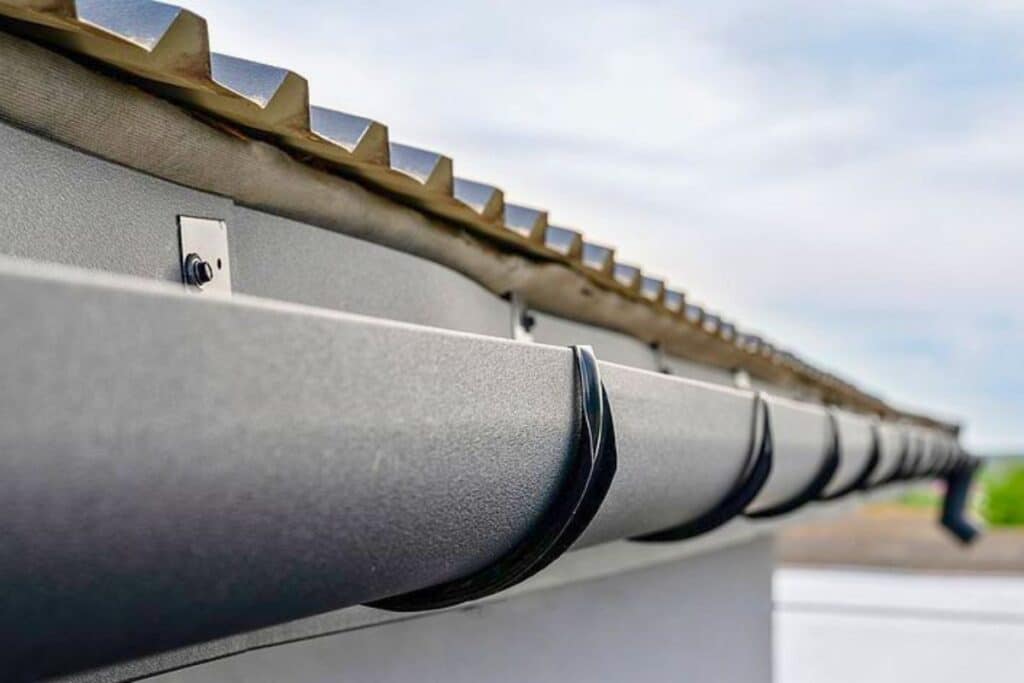
Steel gutters are known for their strength and durability. This makes them a solid choice for homes that deal with heavier environmental stress. While they’re less common than aluminum in residential settings, they can outperform aluminum in the right conditions.
Pros of Steel Gutters
- Extremely durable: Steel is much stronger than aluminum, making it more resistant to bending, warping, or damage from ladders, branches, and debris.
- Handles heavy loads better: Steel gutters are better suited for areas that experience snow accumulation, ice buildup, or heavy water flow during storms.
- Long lifespan when properly maintained: With the right protective coating and upkeep, steel gutters can last a long time and maintain their structural integrity.
Cons of Steel Gutters
- Prone to rust over time: Unlike aluminum, steel can rust if the protective coating wears down, especially in areas with consistent moisture.
- Higher cost: Steel gutters are typically more expensive than aluminum, both in materials and installation due to their weight.
- More maintenance required: To prevent corrosion and extend lifespan, steel gutters may need periodic inspections and maintenance.
- Heavier and harder to install: The added weight increases labor complexity and can put more stress on the gutter system if not installed properly.
Cost Comparison: Aluminum vs. Steel Gutters
Cost is one of the biggest factors when choosing between aluminum and steel gutters. The difference can be noticeable depending on the size of your home and the complexity of the installation.
In general, aluminum gutters are the more affordable option. They typically cost less for both materials and labor because they’re lightweight and easier to install. For most standard homes, aluminum offers a strong balance between performance and price.
Steel gutters, on the other hand, typically come with a higher upfront cost. The material itself is more expensive, and the added weight makes installation more labor-intensive. However, that added cost can make sense in situations where durability and strength are priorities.
It’s also important to consider long-term costs. Aluminum gutters usually require fewer repairs and less maintenance since they don’t rust. This can save money over time. Steel gutters may last longer structurally, but maintenance and potential repairs due to rust can add to the total cost of ownership.
For homeowners in the Lehigh Valley, aluminum is often the more cost-effective choice for typical residential properties. Steel tends to make more sense for homes dealing with heavier environmental stress, where the added durability justifies the higher investment.
Which Is Better for Homes in the Lehigh Valley?
For most homes in the Lehigh Valley, aluminum gutters are the better overall choice. They handle typical weather conditions well, require less maintenance, and are more cost-effective for the majority of residential properties.
That said, local conditions can influence the decision more than many homeowners realize.
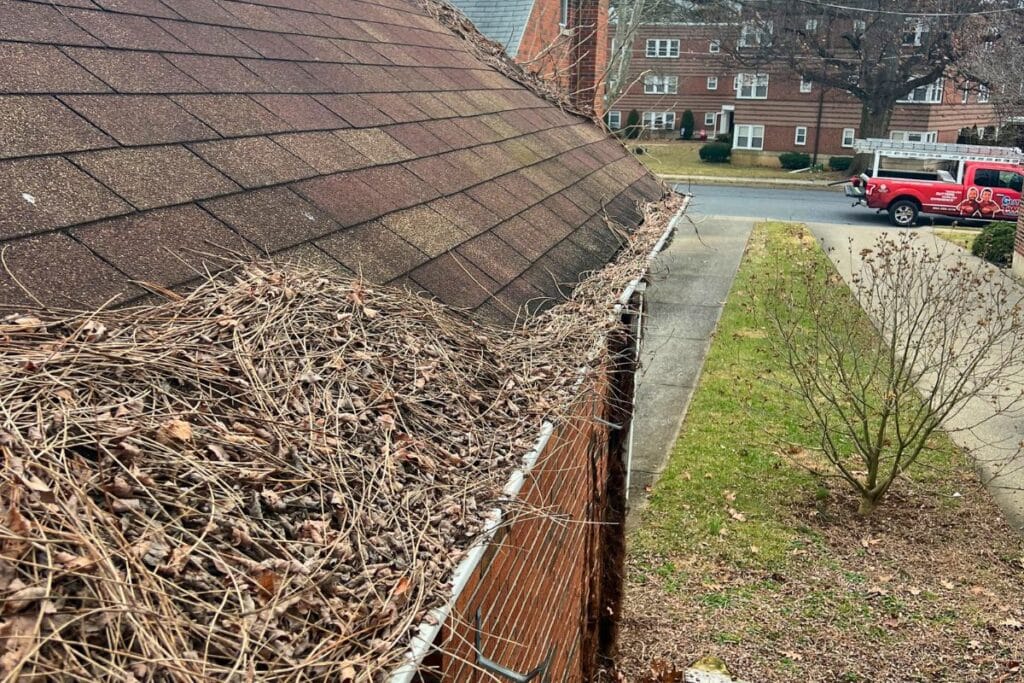
The Lehigh Valley sees a mix of seasonal challenges. These include heavy leaf buildup in the fall, freezing temperatures in the winter, and periods of steady rainfall throughout the year. For homes surrounded by trees, clogged gutters and added weight from debris can become a recurring issue, requiring routine cleaning. In these cases, the added strength of steel gutters may help prevent bending or sagging over time.
Winter is another factor. Snow and ice accumulation can put stress on gutter systems, especially if they aren’t regularly maintained. Steel gutters are better equipped to handle that extra weight. However, aluminum systems can still perform well if they are properly installed and kept clear.
For most homeowners, aluminum gutters provide the best balance of performance and affordability in this region. Steel becomes a stronger consideration for properties with heavier environmental exposure—such as dense tree coverage, steep rooflines, or recurring winter buildup.
Ultimately, the right choice depends less on the material itself and more on how your home interacts with its surroundings.
How to Choose Between Aluminum or Steel Gutters for Your Home
Choosing between aluminum and steel gutters ultimately comes down to your home’s specific conditions and your long-term priorities.
If your main goal is affordability, low maintenance, and reliable performance, aluminum gutters are usually the best fit. They work well for the majority of homes and hold up effectively in typical weather conditions.
If your home is exposed to heavier stress—such as frequent debris buildup, nearby trees, or harsher winter conditions—steel gutters may be worth the investment for their added strength and durability.
It’s also worth considering how long you plan to stay in your home. Homeowners planning to stay long-term may prioritize durability and invest in stronger materials. Those looking for a practical, cost-effective solution often lean toward aluminum.
In many cases, the condition of your current gutter system can also influence the decision. If you’re already dealing with sagging, repeated clogs, or damage from weather, it may be a sign that a stronger material—or a different overall solution—is needed.
If you’re unsure which direction makes the most sense, many homeowners start by having their current system evaluated to understand what’s actually causing issues and what will hold up best over time.
Final Thoughts
When comparing aluminum vs. steel gutters, there isn’t a one-size-fits-all answer—but for most homeowners, aluminum is the more practical and cost-effective choice.
It offers a strong balance of durability, low maintenance, and affordability. This makes it well-suited for typical residential conditions in the Lehigh Valley. Steel gutters, while stronger, are better reserved for situations where added durability is necessary. This typically applies to homes dealing with heavier environmental stress.
The key is choosing a material that matches your home’s specific conditions—not just the “stronger” or more expensive option.
If you’re dealing with ongoing gutter issues or planning a replacement, taking the time to evaluate your home’s needs can help ensure you choose a system that performs well for years to come.
Estimated reading time: 9 minutes