
Key Points
- Most gutters last 20 to 25 years, but the exact number depends heavily on material, according to Angi.
- Vinyl gutters last the shortest amount of time, around 10 to 15 years.
- Aluminum gutters, the most common choice, typically last 20 to 25 years, and seamless versions often last longer than sectional ones.
- Copper and zinc gutters can last 50 years or more.
- Sagging, cracking, rust, and pulling away from the fascia are the clearest signs it’s time to replace, not just repair.
- Lehigh Valley winters (freeze-thaw cycles and ice dams) tend to shorten gutter lifespan compared to milder climates.
- Gutter Twins is a top-rated, family-owned gutter company serving Allentown and the greater Lehigh Valley, with 600+ five-star Google reviews.
If you’ve never had to think about your gutters, that’s actually a good sign. It usually means they’re doing their job.
But gutters don’t last forever, and most homeowners don’t realize how close theirs are to the end of their useful life until something goes wrong.
This guide breaks down exactly how long gutters last, what shortens that lifespan, and how to tell when it’s time to replace instead of repair.
How Long Do Gutters Actually Last?
The honest answer is “it depends on the material.” Here’s a general breakdown, based on data from Angi:
| Material | Typical Lifespan |
| Vinyl | 10 to 15 years |
| Galvanized steel | 15 to 20 years |
| Aluminum | 20 to 25 years |
| Copper or zinc | 50 to 100 years |
Aluminum is the most common material for a reason. It resists rust, holds up well in most climates, and offers a strong balance of cost and longevity.
Seamless aluminum gutters, fabricated on-site to fit your roofline in one piece, tend to outlast sectional gutters. Fewer seams means fewer weak points where leaks and separation typically start.
Installation quality matters just as much as material. Gutters hung with the wrong slope or spaced hangers too far apart will show wear years before a properly installed system, regardless of what they’re made from. This is one reason it pays to work with an experienced local installer rather than the lowest bidder.
Signs Your Gutters Need to Be Replaced
Age is only part of the story. A well-maintained gutter can outlive its “typical” lifespan, while a neglected one can fail early.
Walk around your home and look for these warning signs:
- Sagging or pulling away from the fascia. This usually means the hangers have failed or the gutter itself has warped.
- Cracks or splits. Small cracks can sometimes be patched, but multiple cracks or large splits usually mean replacement.
- Rust spots or holes. Once rust eats through metal, patching is a temporary fix at best.
- Peeling paint or water stains on siding. This is often a sign water is overflowing instead of draining properly.
- Water pooling near your foundation. If water isn’t reaching the downspouts, your gutters aren’t doing their one job.
- Visible gaps at the seams. On sectional gutters, separated joints are a common failure point.
- Basement dampness during rain. Gutters that no longer direct water away from the house are a common hidden cause.
If you’re only seeing one or two of these issues in a single spot, a gutter repair may be all you need. Widespread damage across multiple sections usually points to full replacement.
What Shortens Gutter Lifespan in the Lehigh Valley
Climate plays a bigger role in gutter lifespan than most homeowners expect, and the Lehigh Valley has a few specific challenges.
Freeze-Thaw Cycles
Pennsylvania winters bring repeated freezing and thawing. Water that sits in a clogged gutter can freeze, expand, and pull hangers loose or crack seams.
Ice Dams
When heat escapes through an attic and melts snow unevenly, that water refreezes at the roof’s edge. The added weight and ice pressure can bend or detach gutters entirely.
Heavy Tree Coverage
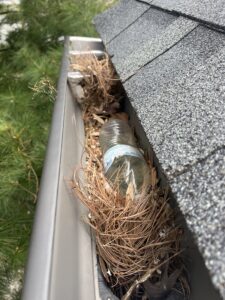
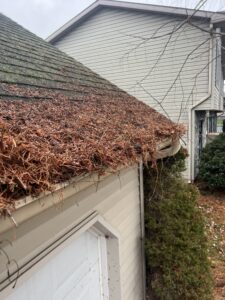
Many Lehigh Valley and Eastern PA neighborhoods have mature trees, which means more leaves, seeds, and debris settling into gutters throughout the year. Clogged gutters hold standing water and dead weight, both of which accelerate wear.
As one of the top-rated gutter companies serving Allentown and the surrounding area, our crew sees these exact issues season after season, and we design every installation with Lehigh Valley weather in mind.
Repair or Replace? How to Decide
Not every gutter problem means starting over. Here’s a simple way to think about it.
Repair might make sense when:
- The damage is isolated to one section or joint.
- The gutters are less than 15 years old.
- The fascia and hangers underneath are still in good condition.
Replacement usually makes sense when:
- Damage shows up in multiple areas at once.
- You’re making the same repair more than once a year.
- The gutters are original to a home that’s 20+ years old.
- You’re seeing water damage on the fascia, siding, or foundation.
If you’re not sure which category your gutters fall into, a quick inspection settles it fast. Our team offers free estimates for exactly this reason, so you get an honest answer either way.
How to Extend the Life of Your Gutters
Regular maintenance won’t make gutters last forever, but it can add years to their lifespan.
- Clean gutters at least twice a year, in spring and fall, and more often if you have heavy tree coverage.
- Check for loose hangers after major storms.
- Trim overhanging branches to reduce debris buildup.
- Add gutter guards to cut down on how often manual cleaning is needed.
If climbing a ladder twice a year isn’t appealing, gutter guards are worth a look. They won’t eliminate maintenance completely, but they significantly reduce clogs and the wear that comes with them.
For more background on gutter systems in general, This Old House has a solid overview of materials and upkeep.
FAQ: How Often Gutters Need to Be Replaced
How often should gutters be replaced on average?
Most gutters last 20 to 25 years, though this varies by material. Vinyl typically needs replacement sooner, around 10 to 15 years, while copper can last 50 years or more.
Can I just replace part of my gutter system instead of the whole thing?
Sometimes. If damage is limited to one section and the rest of the system is in good shape, a partial repair or section replacement can work. Widespread wear usually calls for full replacement instead.
Do seamless gutters really last longer than sectional gutters?
Yes. Seamless gutters are formed on-site in one continuous piece, which means fewer joints where leaks and separation typically begin.
How do I know if my gutters are original to my house?
If you’ve never had them replaced and your home is more than 20 years old, there’s a good chance they’re original. A quick inspection can confirm their condition either way.
Does gutter cleaning really extend their lifespan?
Yes. Clogged gutters hold standing water and extra weight, both of which stress hangers and seams. Cleaning twice a year is one of the simplest ways to avoid early replacement.
Is it worth replacing gutters before they fail completely?
Often, yes. Replacing aging gutters proactively is usually less expensive than dealing with the water damage, foundation issues, or interior repairs that a full failure can cause.
Get Your Free Gutter Estimate Today
If your gutters are showing their age, don’t wait for the next storm to find out how bad it’s gotten. Get your free estimate from Gutter Twins today and find out exactly where your gutters stand.